
10 Reasons Thousands of Women Over 50 Are Switching to This Parisian Body Oil
For firmer-looking, smoother, deeply fed skin, from the arms down, without a shelf full of jars that never kept one promise between them.
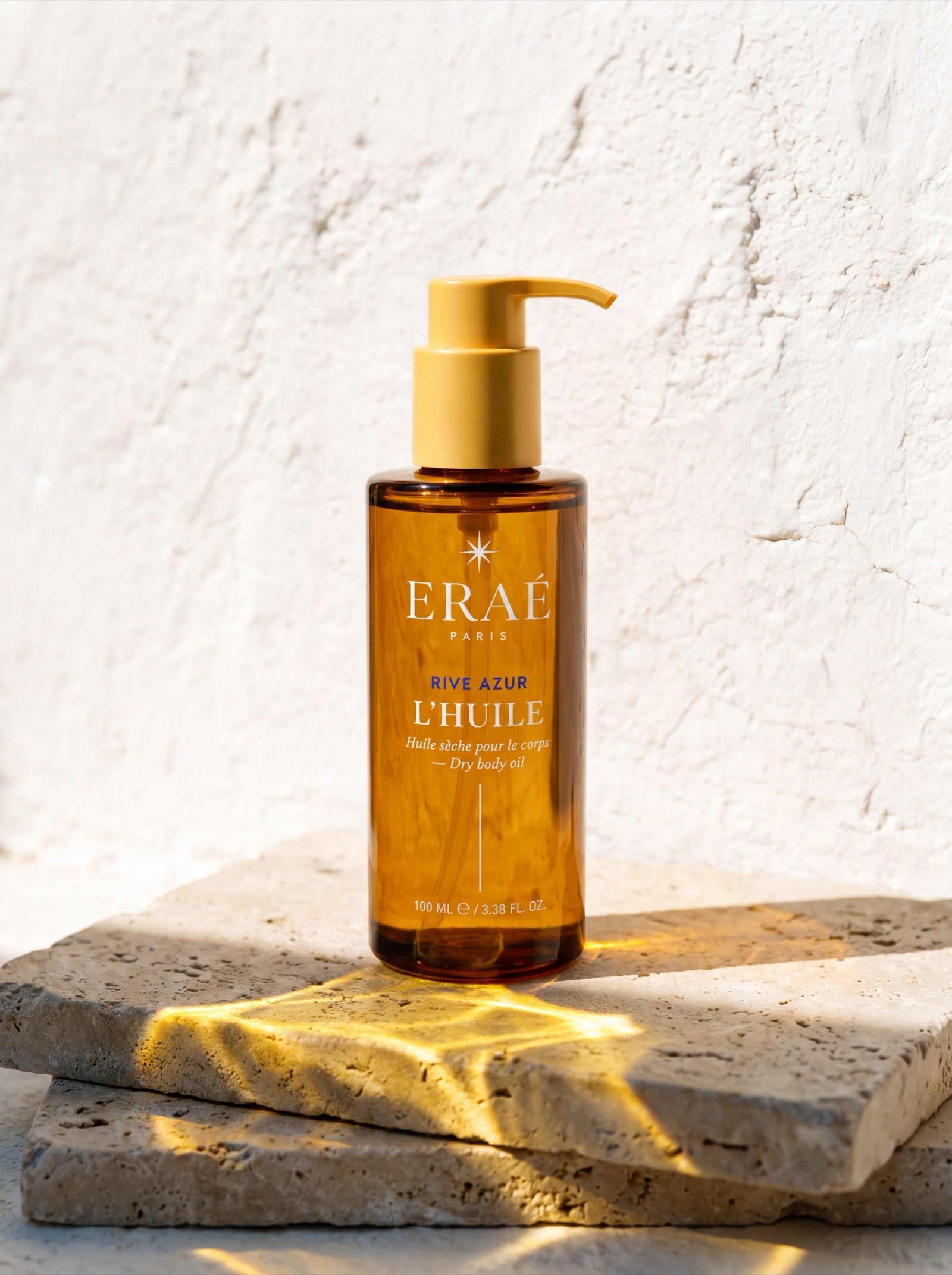
Every switch has its reasons. This one has ten, and women usually discover them in exactly this order, starting the day someone finally explains what the word "moisturizer" has been hiding for forty years.
It feeds skin instead of filming it
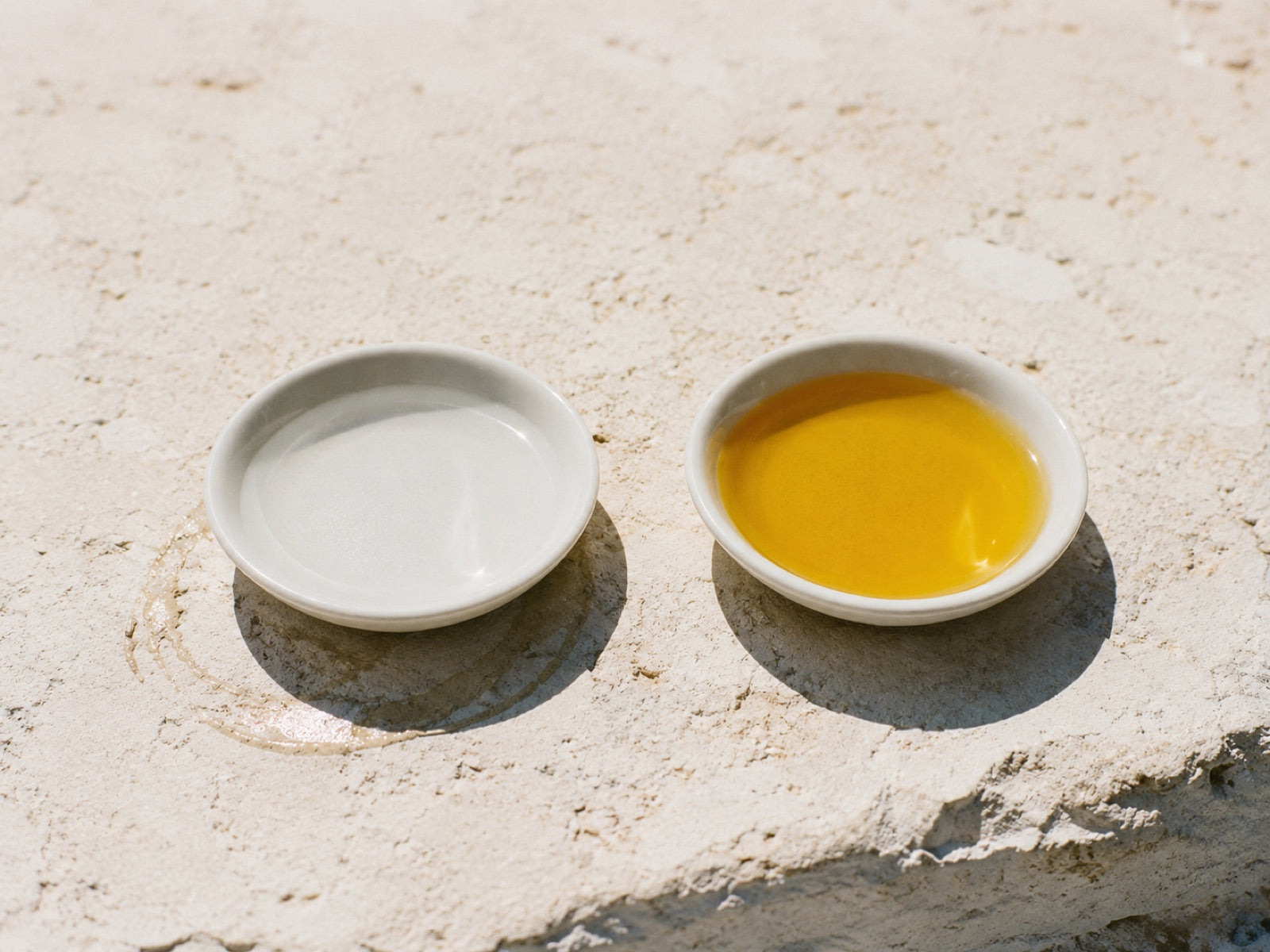
Everything you've used until now did one of two things: watered your skin (lotions, gone by lunch) or wrapped it (silicone "firming" films, gone by the next shower). Neither ever fed it.
After the change, skin stops making its own oil, sometimes in a single season. L'Huile Nº01 puts back the thing that left. That's the entire idea, and it's the reason the results feel different: they're built, not borrowed.
It's four working actives, not perfume in a pretty jar
Every oil in the bottle has one job. Bakuchiol does the renewing work retinol is famous for, without the sting or the sun-sensitivity thin skin can't afford. Camellia is the near-twin of the oil your skin produced on its own for fifty years. Sea buckthorn carries omega-7, the rare fatty acid supple skin runs on. Evening primrose brings the GLA your body stopped making enough of.
Four hires. Four jobs. No passengers, and no water padding out the bottle.
It works everywhere the change happened
Arms. Chest. Neck. Knees. Hands. Legs. The change didn't pick one zone, and your answer to it shouldn't either. One palmful covers the territory a shelf of separate specialists used to pretend to divide between themselves.
It's absorbed before you've picked out your clothes
Ninety seconds and it's in. No grease slick, no waiting in a towel, no stuck sleeves. Women who swore they'd never use an oil because of the mess are the ones who write us about this the most.
It turns a chore into the one moment of the day that's yours
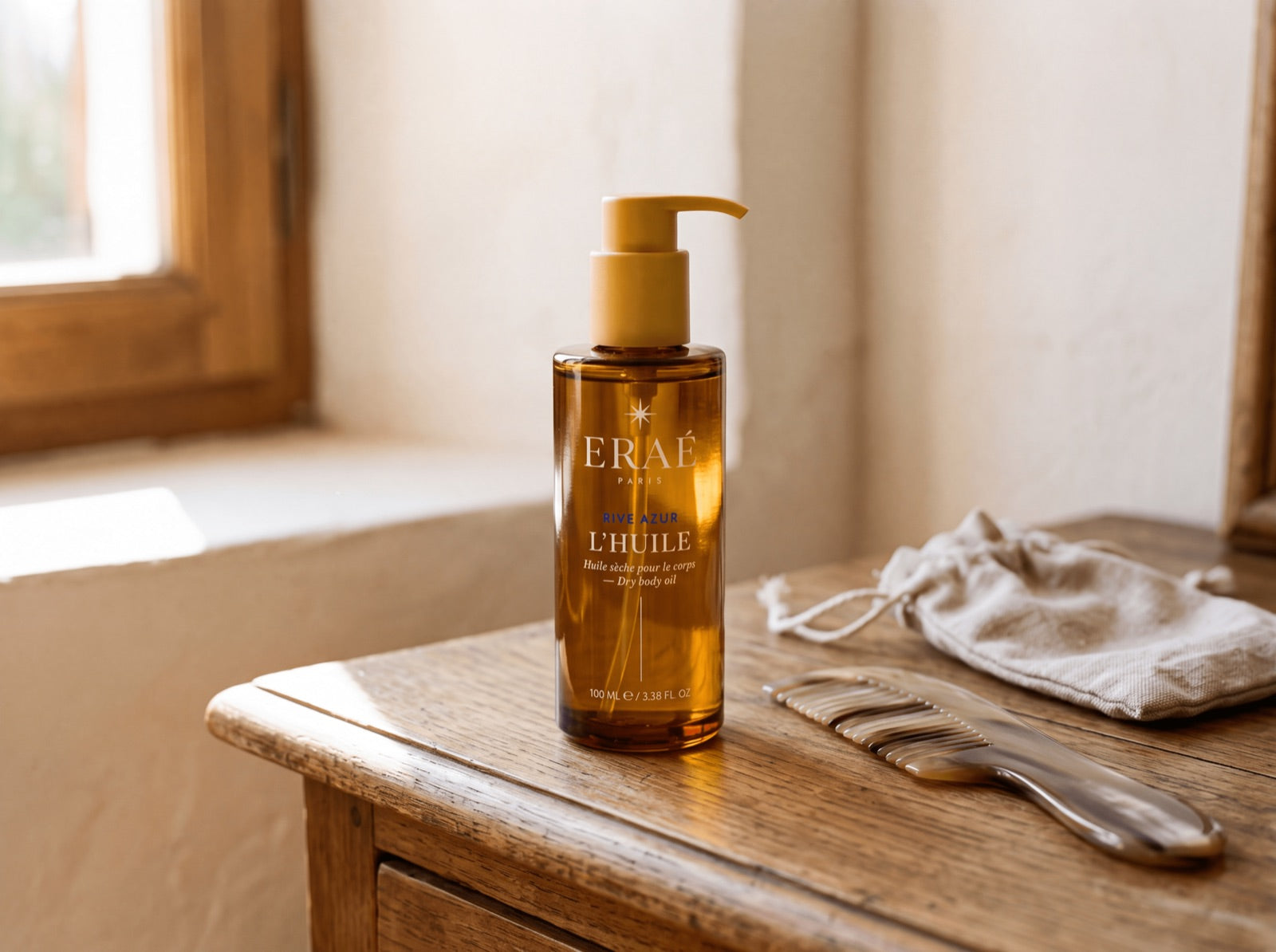
Somewhere along the way, taking care of yourself became another task on a list written mostly for other people. This is ninety seconds, twice a day, that belongs to nobody but you.
Warm skin, morning light, the smell of something green and alive. Women tell us they started for their arms and stayed for the minute and a half.
Rive Azur — L'Huile Nº01. Four plant oils. No water. Made for skin after the change.
SEE L'HUILE Nº01The change arrives on a calendar you can watch
Week one, it stops sitting on top and starts sinking in. Around week three, most women feel it before they see it: press a forearm and the skin gives a little push back. Weeks four to eight, the texture smooths, zone by zone, chest usually first, knees always last.
Some women run early, some late, and honest is honest, a few see little. That's what the thirty days are for. But the point is: it's a calendar, not a someday.
Most "body oils" aren't what you think they are

Here's the trick the label doesn't advertise: most body oils sold in this country are mineral oil, a petroleum by-product that costs pennies, wearing a botanical-sounding name. Mineral oil doesn't feed skin. It wraps it, like plastic film, and feeds it nothing at all.
Flip the bottle. If you see mineral oil, paraffinum, or petrolatum in the first lines, you're holding a raincoat, not a meal. L'Huile Nº01 is plant oils top to bottom, all sixteen ingredients printed where you can read them.
It's made for after the change, on purpose, by a Parisian house

Not "suitable for all ages." Not a younger brand's formula with softer advertising. A French house that builds for exactly one skin: the one that arrives after the change, thinner, drier, and done being spoken to like a problem.
The French never treated body oil as a trend, because their pharmacies never stopped stocking it. This is that tradition, bottled for the women it was always meant for.
50,000 women got here before you
More than fifty thousand women have made the switch, and 2,184 of them have written it down in verified reviews: the christenings attended in short sleeves, the husbands who noticed without being told, the shelves quietly emptied into donation boxes.
You are not the experiment. You're late to a very good party, which is the best possible way to arrive.
Thirty days, even opened, on us
Use it morning and night for a month. If your skin doesn't change, they refund the bottle, opened, used, no forms and no questions. The last reason to switch is that not switching is the only option that costs you anything.
The switch, counted
Self-reported results from customer surveys after eight weeks of twice-daily use. Individual results vary.
Thirty days. Even opened. On us.
If a month of feeding your skin changes nothing, they refund the bottle, no forms, no questions, no speech. Reason ten, in writing.
DISCOVER L'HUILE Nº01In their words
★★★★★Three weeks in, I caught myself NOT pulling my sleeve down at lunch. I didn't even notice till after. That's the review.
Pam D., 62
★★★★★I'm 68. My arms haven't seen a beach since my forties. They saw one in June.
Ruth E., 68
★★★★★The smell alone replaced my candle habit. The skin part took three more weeks and then some.
Kathy S., 55
★★★★★My sister asked if I'd had something done. At a funeral. We laughed about it in the parking lot, God forgive us.
Diane B., 60
Common questions
How much do I use, and how long does a bottle last?
A palmful for the whole body, morning and evening. Used that way, a bottle lasts about two weeks, which is why most women start with more than one.
Will it clog pores or feel heavy in summer?
No. It's built from light, fast-absorbing plant oils, no mineral oil and no silicones, and it's fully absorbed in about ninety seconds, in July as in January.
What exactly is in it?
Sixteen ingredients, all printed on the product page. The four leads: bakuchiol, camellia, sea buckthorn, evening primrose. No water, no mineral oil, no filler.
Ten reasons. Ninety seconds. One month.
You now know more about why skin goes crepey after fifty than most of the people who sold you creams for it. The rest isn't reading. It's a palmful of oil tonight, and your own arms in four weeks.